
Talking to Your Kids About Body Safety: A Guide for Onslow County Parents
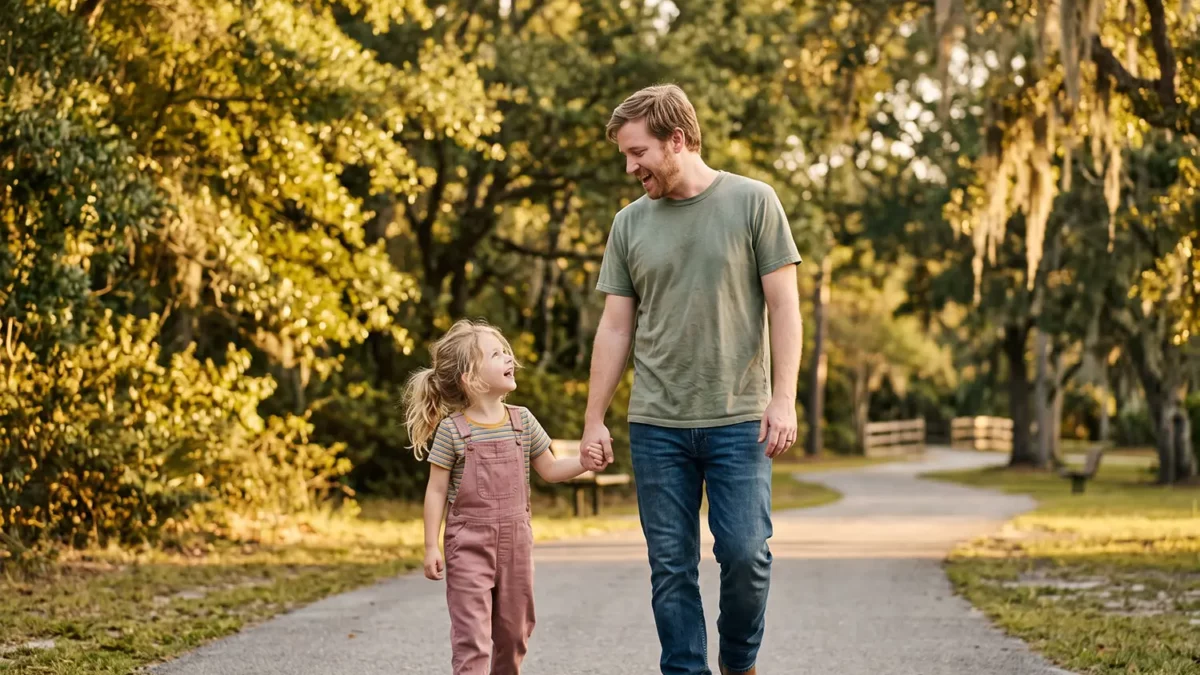
Talking with your child about body safety may sound daunting, but it does not have to be a heavy, one-time talk. Done gently, it is one of the most empowering gifts you can give: the confidence to understand their own body, trust their feelings, and speak up. Far from being scary, these conversations build connection, and they help your child feel strong and secure.
The good news is that you are already your child’s best protection. Woven into everyday moments, in plain and calm language, body-safety lessons help children know their bodies belong to them and that they can always come to you. You can begin today, in small and comfortable steps.
Start early, and keep it everyday
Body safety works best as a series of small, natural conversations that grow with your child, rather than one big talk. You can begin with toddlers using simple words, and build from there year by year. Keeping it casual and ongoing does two things: it takes the pressure off you, and it teaches your child that these are normal, welcome topics, not secrets or sources of shame. There is no perfect age to start, and it is never too late to begin.
Use the correct names for body parts
One of the simplest and most protective steps is teaching your child the correct anatomical names for all their body parts, including private ones, just as you would teach nose, elbow, and knee. It might feel awkward at first, but it matters. Correct words let a child describe how they feel and what happened clearly, they remove shame and secrecy, and they signal to any unsafe adult that this is a child whose parents are paying attention. Matter-of-fact language now gives your child the vocabulary to speak up later.
Teach body autonomy and consent
Help your child understand a powerful idea: their body belongs to them. That means they get a say in who touches it and how. You can honor this in small, daily ways. Let your child choose to offer a hug or a high five instead of being made to hug or kiss relatives, and ask permission before you help with their body when you reasonably can.
Everyday play teaches consent, too. When you are tickling or wrestling and your child says stop, stop right away, every time. That simple, consistent response teaches them that their no matters, and that they can expect others to respect it. A child who knows their voice counts is a child who is more likely to use it.
Explain private parts and safe versus unsafe touch
Explain in simple terms that the parts of their body covered by a swimsuit are private, and that others should not look at or touch those parts. Include the gentle exceptions a child can understand: a parent or caregiver helping keep them clean and healthy, or a doctor doing a checkup with a trusted grown-up right there.
Then teach them to trust their inner alarm. If any touch or situation gives them an uh-oh feeling, a funny feeling in their tummy, or just seems wrong, they can say no, get away, and tell a trusted adult. Reassure them, again and again, that this is always okay to do, and that they will never be in trouble for it.
[MID-ARTICLE IMAGE] see Image Prompts block below (1200 x 675)
Make the no-secrets rule clear
Children keep unsafe situations hidden most often because someone told them to keep a secret. So draw a bright, simple line between surprises and secrets. Surprises are happy and temporary, like a birthday gift or a party, and we tell them soon. Secrets are meant to be kept hidden, and when it comes to bodies, we do not keep them.
Tell your child plainly: no trusted adult will ever ask you to keep a secret about your body, and if anyone does, that is exactly the time to come tell me. It is worth repeating that in most cases, a child who is harmed knows and trusts the person who did it, which is why teaching about safe adults, private parts, and no secrets protects children far more than warning them only about strangers.
Build a safety network of trusted adults
Help your child name a few trusted adults, ideally three to five, they could talk to if something ever felt wrong, including people beyond your home, like a grandparent, a teacher, or a family friend. Then give them the two rules that make a safety network work: it is never your fault, and keep telling until someone listens and helps. Practicing this out loud, calmly, gives your child a clear plan and the confidence to use it.
Stay calm, and stay approachable
Perhaps the most important tool is you, and how you respond. When your child asks a question about bodies, even a surprising one, answer as calmly and simply as you can. Your steady reaction teaches them a lesson they will carry for life: this is a safe person, and no topic is off-limits. When you stay calm, you become the person your child runs toward when it matters most.
A note for Marine Corps families
Military family life brings frequent moves, deployments, and more caregivers into a child’s world, from relatives to new sitters to childcare during a permanent change of station. That makes a portable safety plan especially valuable. Use the same body-safety words across every caregiver so the message stays consistent, make sure your child’s safety network includes trusted adults who will be with them through a move or a deployment, and take a little extra care when vetting new childcare. Wherever the Marine Corps takes your family, your child’s right to feel safe travels with them.
Lean on books and everyday moments
You do not have to carry these conversations alone or invent them from scratch. Age-appropriate picture books about body safety give children friendly words and pictures for big ideas, and they turn an abstract topic into a cozy story you can revisit again and again. Your local library can point you to good ones, and reading together takes the pressure off finding the perfect thing to say.
Everyday routines are just as useful. Bath time, getting dressed, doctor visits, and even a moment on the playground all offer small, natural openings to name a body part, mention the swimsuit rule, or remind your child that their body is their own. Little and often is the goal.
If your child tells you something
If your child ever shares that someone has hurt them or crossed a line, your response matters enormously. Stay as calm as you can, tell them you believe them, and thank them for telling you. Reassure them that it is not their fault and that you will keep them safe. You do not need to investigate or press for details; gentle, trained professionals will take it from there. In North Carolina, anyone who suspects a child has been abused or neglected is required by law to report it. One Place’s guide to reporting child abuse and neglect in Onslow County lists the current local phone numbers, and the Childhelp National Child Abuse Hotline (1-800-422-4453) is available 24 hours a day. If a child is in immediate danger, call 911.
You will not be alone in the next steps. The One Place Child Advocacy Center serves children from birth to age 17 who have experienced abuse, offering a safe, child-centered place to heal. There, a child shares what happened just once with a specially trained interviewer, which helps prevent further trauma. You can learn more about that gentle process in our post on what a forensic interview is.
Frequently Asked Questions
At what age should I start talking about body safety?
You can start as early as the toddler years with simple words, and build on it as your child grows. There is no single right age, and it is never too late to begin. Short, everyday conversations work far better than one big talk.
What are the basic body safety rules for kids?
Common body-safety rules include using correct names for body parts, knowing that private parts are private, understanding that their body belongs to them, trusting their uh-oh feeling, keeping no secrets about bodies, and having trusted adults they can always tell.
What should I do if my child discloses abuse?
Stay calm, tell them you believe them, thank them for telling you, and reassure them it is not their fault. You do not need to investigate. In North Carolina you are required to report suspected abuse; use One Place’s reporting guide for local numbers, call Childhelp at 1-800-422-4453, or call 911 if a child is in immediate danger.
Why Body Safety Matters
Body-safety conversations give your child something they keep for life. They learn that their body is their own, that their feelings are worth trusting, and that their voice will always be heard at home. Little else builds a child’s confidence, or their safety, quite so powerfully.
Go gently, and do not worry about getting every word perfect. Showing up as a calm, trusted, askable parent is what protects a child most, and it is something you are already doing.
We’re Here to Help
One Place is your partner all year long. If you have questions about programs, resources, or finding support for your family in Onslow County, reach out anytime at 910-938-0336. We are glad to help you find your next step.
Follow along on Facebook, Instagram, and LinkedIn for more ideas, and tag us when you try one. We love seeing Onslow County families in action.
Looking for more support for your family? Explore One Place’s parent and family resources, and learn about the healing work of the One Place Child Advocacy Center.
Want to help every child in Onslow County thrive? Your gift supports safe care, early learning, and hope for local families. Donate today.